
What Is the Cytochrome P450 System and Why Does It Matter for Medications?
The cytochrome P450 enzymes metabolize a large fraction of all prescription medications. Genetic variants in these enzymes can make standard doses too strong, too weak, or even dangerous.
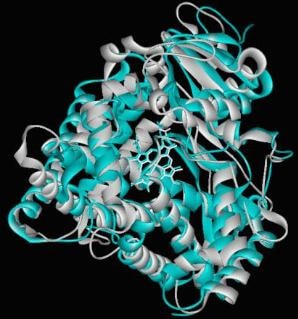
When a medication enters the body, it does not simply travel to its target and do its job. Most drugs must first be processed — activated, modified, or broken down — before they can work or be eliminated. A family of enzymes called the cytochrome P450 (CYP450) system handles much of this work.
What the CYP450 System Does
CYP450 enzymes are proteins found primarily in the liver (and to a lesser extent in the intestines and other tissues). Their main job is drug metabolism — chemically transforming medications so they can be activated, used, and eventually cleared from the body.
Different CYP450 enzymes handle different drugs. The most clinically important include:
- CYP2D6: metabolizes approximately 25% of all prescription drugs, including many antidepressants, antipsychotics, opioids, and beta-blockers
- CYP2C19: metabolizes proton pump inhibitors, clopidogrel (Plavix), and several antidepressants
- CYP2C9: metabolizes warfarin, NSAIDs, and some diabetes medications
- CYP3A4/5: the most abundant CYP enzyme; metabolizes approximately 50% of all drugs
- CYP1A2: metabolizes caffeine, clozapine, and some other medications
Why Genetic Variants Matter
The genes encoding CYP450 enzymes are highly variable. Different people carry different versions of these genes, and those versions produce enzymes that work at different speeds.
Pharmacogenomics (PGx) testing classifies people into metabolizer categories based on their CYP450 gene variants:
- Poor metabolizer: the enzyme works slowly or not at all. Drugs that depend on this enzyme accumulate to higher levels, increasing the risk of side effects or toxicity.
- Intermediate metabolizer: reduced enzyme activity. Somewhere between poor and normal.
- Normal (extensive) metabolizer: typical enzyme activity. Standard dosing guidelines are based on this group.
- Rapid or ultrarapid metabolizer: the enzyme works faster than normal. Drugs are cleared more quickly, potentially reducing effectiveness at standard doses.
For prodrugs — medications that must be converted by CYP enzymes into their active form — the pattern reverses. A poor metabolizer of a prodrug may not convert enough of the drug to its active form, reducing effectiveness. An ultrarapid metabolizer may convert too much, causing toxicity.
Codeine is a well-known example: it is a prodrug converted to morphine by CYP2D6. Ultrarapid metabolizers of CYP2D6 can convert codeine to morphine so rapidly that even standard doses can cause dangerous opioid toxicity.
Clinical Implications
Pharmacogenomic information is now incorporated into the FDA labeling of many medications. The Clinical Pharmacogenomics Implementation Consortium (CPIC) publishes evidence-based guidelines for adjusting drug selection or dosing based on CYP450 genotype.
For patients who have experienced unexpected side effects, treatment failures, or who take multiple medications that share the same metabolic pathway, PGx testing can provide actionable information.
At Genetic Insights, we offer pharmacogenomic testing and interpretation to help patients and their physicians make more informed medication decisions.
Key Takeaway: CYP450 enzymes metabolize most prescription drugs. Genetic variants in these enzymes affect how quickly drugs are processed, which can make standard doses too strong, too weak, or — in some cases — dangerous.
Sources: CPIC Guidelines; FDA Table of Pharmacogenomic Biomarkers in Drug Labeling
Explore Topics
Written by
Dr. Michael P. Vaughn
Content creator and writer sharing insights and stories.